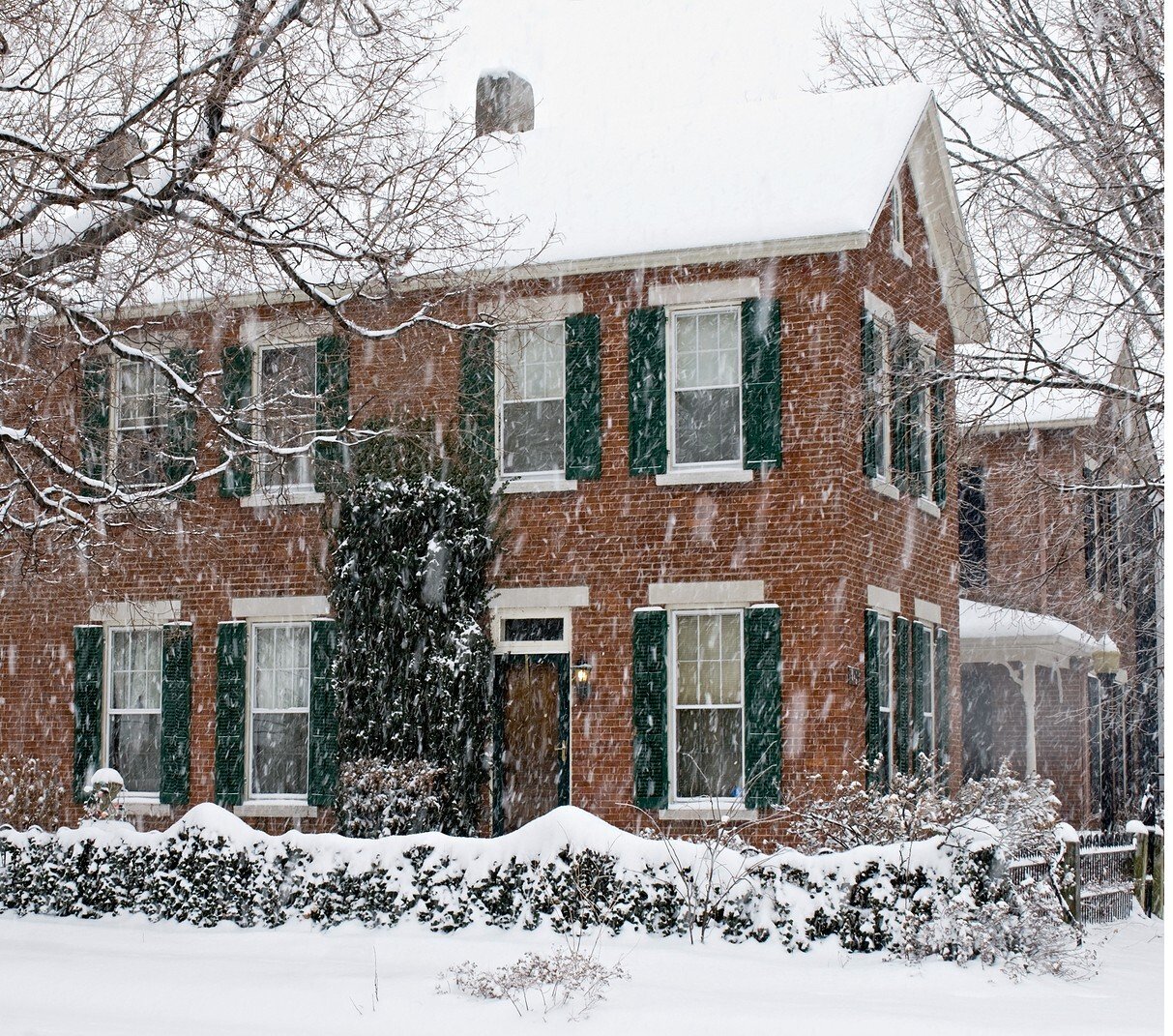
 Winter weather in historic D.C. neighborhoods often brings icy sidewalks and slippery steps. Many homeowners reach for salt without realizing how harmful it can be to the historic brick and mortar that give these neighborhoods so much character. Understanding how salt affects older masonry helps you protect your home through the coldest months and prevent long-term deterioration.
Why Winter Salt Puts Historic Brick at Risk
Older brick absorbs moisture more readily than modern materials, and the lime-based mortar commonly used in historic D.C. homes is softer and more porous than cement-based mixes. When salt is applied to walkways or steps, it pulls moisture deeper into the masonry. As temperatures rise and fall, that moisture expands and contracts. This movement adds stress to the brick surface and weakens mortar joints. Winter storms only increase the cycle of melting and refreezing, and when salt is present it can accelerate the damage.
How Salt Damages Brick and Mortar on Older Homes
Saltwater works its way into the small pockets and channels inside brick and mortar. When the water evaporates, salt crystals remain. These crystals continue to grow as more moisture enters the masonry. Over time, the pressure created by this crystallization pushes outward on the surface of the brick. The result is flaking, cracked, or powdery brick, often known as spalling. Mortar can also crumble when touched, which signals that the material is losing its binding strength. Efflorescence, a chalky white film, is another visible sign that salt is moving through the wall.
Safer Than Salt: How to Prevent Slips on Historic Walkways
There are several alternatives to traditional salt that protect both safety and the historic materials surrounding your home. Sand provides strong traction and poses no chemical risk to old brick. Fine gravel or traction grit may also be spread along walkways and steps to reduce slipperiness. Calcium magnesium acetate is another option that melts ice without harming masonry. While safer than rock salt, even CMA should be used sparingly. The only truly risk-free option for very old brick is sand or traction grit. Traction mats are useful on stairs and can be put down quickly during a storm. All of these choices help you maintain safety while keeping your masonry intact.
Early Signs of Salt Damage: What to Look For
A quick walk around your property after a storm hits will help you spot problems early. Look for efflorescence, which indicates that moisture is moving through the brick. Check for areas where the surface of the brick is peeling or flaking. Mortar that crumbles easily is another warning sign. Rust-like streaks may appear near ground level where salt-laden water splashes onto walls. If any section of brick stays damp long after the surrounding areas have dried, moisture is becoming trapped inside the masonry.
When a Masonry Expert Is Needed
Some conditions require a professional assessment. Crumbling mortar, spalled brick, or persistent damp patches suggest deeper structural issues. DIY fixes often use materials that are too hard or incompatible with historic masonry. The team at Renaissance Development has more than twenty years of experience restoring historic brick throughout Georgetown, Capitol Hill, Dupont Circle, and other historic D.C. neighborhoods. We repair salt damage with traditional materials and techniques that preserve the integrity of older homes.
Preserve Your Masonry Through the Winter Season
Choosing safe de-icing methods and checking your brickwork regularly helps protect your home throughout the winter. If you see signs of deterioration or want guidance on preserving your masonry, we are here to help.
Renaissance Development is committed to safeguarding the historic character of D.C. homes and keeping them strong for generations. Contact us to schedule a complimentary consultation.