 Winter has a way of slowing things down. As temperatures drop and daylight fades earlier, life shifts indoors, especially in historic D.C. homes where original details shape the feel of each room. Exposed interior brick walls often become a focal point during the colder months. With the right care, they can add warmth, texture, and a sense of comfort that feels especially welcome in winter.
Why Winter Is the Perfect Time to Appreciate Interior Brick
During winter, interior spaces naturally draw more attention. You spend more time in living rooms, dining areas, and entryways where exposed brick is often found. Softer winter light highlights the natural texture of brick and mortar, making craftsmanship more visible. This season also encourages a closer look at the condition of interior materials. Small changes that might go unnoticed in summer tend to stand out when rooms are quieter and more settled.
How Winter Conditions Affect Interior Brick and Mortar
 Interior brick responds to changes in indoor air rather than weather exposure. Heating systems lower humidity levels, which can cause older mortar to dry out and release fine dust. Brick near exterior walls may also react to temperature differences between indoors and out. At the same time, everyday moisture from cooking, bathing, or using a fireplace can leave faint stains on brick surfaces. These shifts are normal for historic materials, but winter is often when they become easiest to see.
Safe and Gentle Ways to Clean Interior Brick
Cleaning interior brick should always be done with care. Start with the least invasive methods. A soft-bristle brush can remove surface dust, and a vacuum with a brush attachment works well for mortar joints. If deeper cleaning is needed, use warm water with a mild soap applied sparingly. Always test cleaning methods in a small, hidden area first. Avoid harsh chemicals, acids, abrasive pads, or sealers. These products can damage brick surfaces and dissolve lime-based mortar that historic walls rely on.
You might also notice a white, powdery substance appearing on the surface, known as efflorescence, which occurs when minerals in the brick are drawn out by moisture and dry on the surface. While it's usually harmless, it is a sign of how your interior walls 'breathe' in response to indoor humidity.
Understanding Mortar Touch-Ups Indoors
During winter, homeowners sometimes notice hairline cracks or powdery residue along interior mortar joints. These signs often reflect changes in indoor humidity rather than structural problems. Mortar touch-ups should never be approached casually. Using the wrong materials can trap moisture or cause the surrounding brick to deteriorate. Interior mortar conditions are best evaluated by professionals who understand how historic materials behave inside the home.
Creating Inviting Spaces That Highlight Historic Craftsmanship
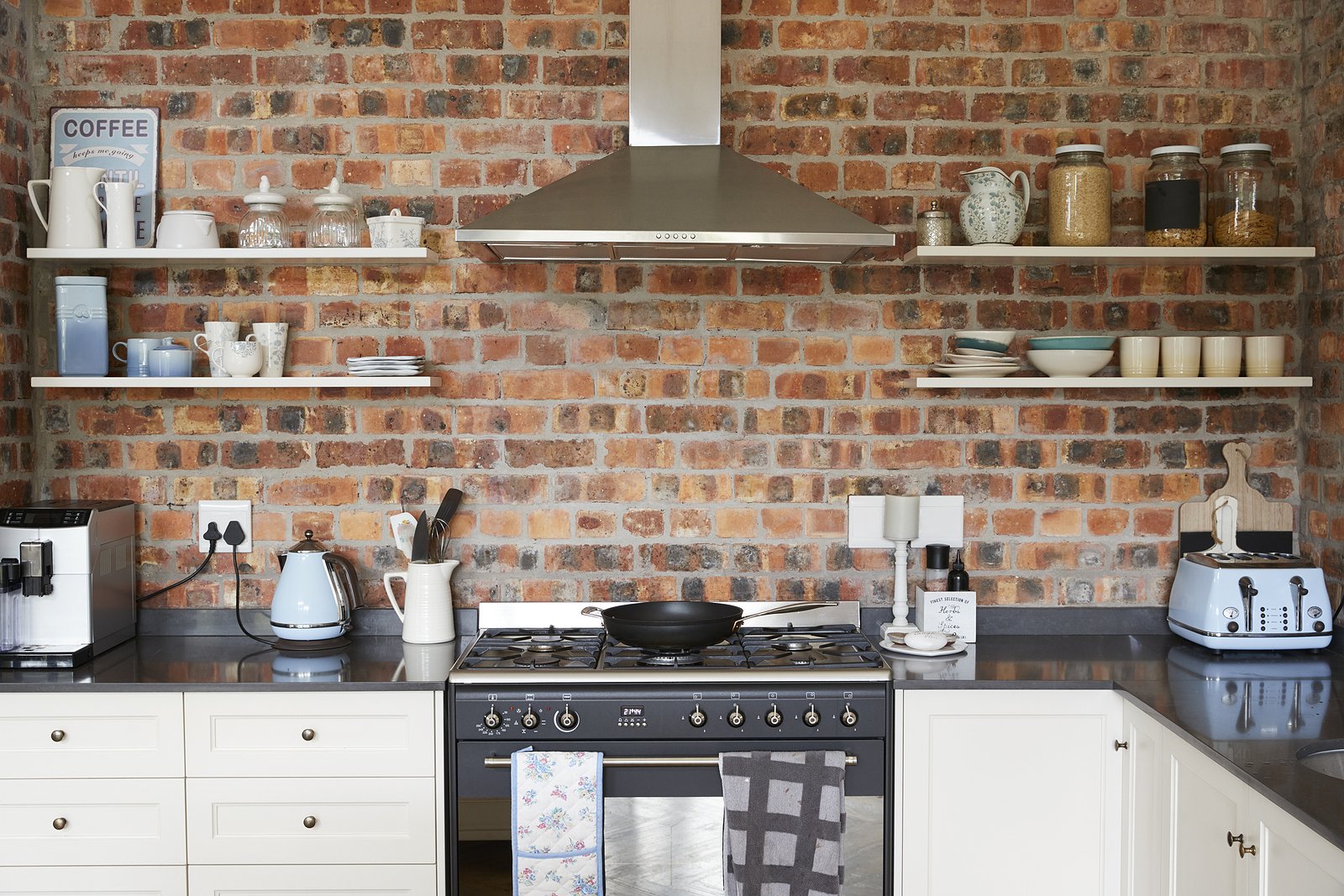 Enhancing interior brick is less about changing it and more about letting it look intentional and cared for. Clean brick with intact mortar feels warm and grounded rather than unfinished. Thoughtful lighting can bring out depth and variation in the brick surface, emphasizing its age and character. Avoid painting or coating brick, as these treatments hide natural texture and can interfere with how the wall manages moisture. Authenticity is what gives historic brick its appeal.
When to Call a Masonry Professional
If you notice cracking that continues to grow, mortar that consistently sheds dust, damp spots, or unexplained staining, it is time to seek professional guidance. Interior brick issues can sometimes point to exterior moisture or structural concerns. Our team at Renaissance Development evaluates interior and exterior masonry together to understand the whole picture. With more than twenty years of experience working in historic D.C. homes, we focus on preserving original materials while addressing problems correctly.
Expert Care That Preserves Character All Winter Long
Winter offers a natural pause that makes it easier to notice and care for the details inside your home. Gentle cleaning, careful observation, and timely evaluation help protect interior brick for years to come.
If you have questions about your interior brick walls or want an expert opinion, our team is here to help you preserve the craftsmanship that makes your home special. Schedule a complimentary consultation this winter.