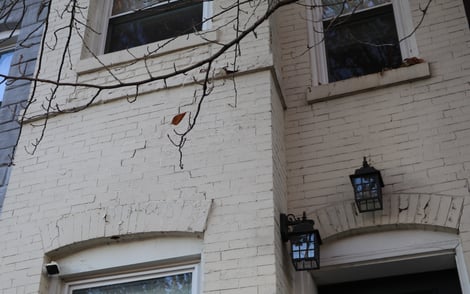
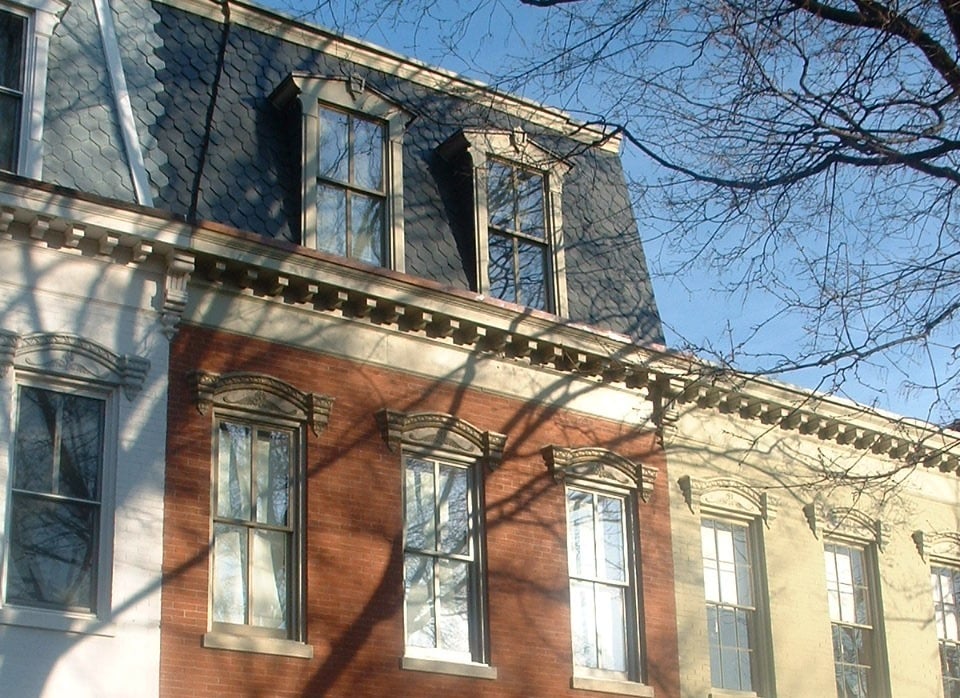
 When winter keeps you indoors, it's often the first time in months that you slow down enough to notice what's happening above your living spaces. In many historic D.C. homes, that includes brick walls and chimneys tucked away in attic spaces. These areas may be out of sight, but they play a critical role in supporting your home's structure and protecting it from the elements.
Why Brick in Attic Spaces Deserves Attention
Brick in upper stories often supports chimney systems and connects to load-bearing walls below. Because attics are rarely visited, problems can develop quietly. Mortar can weaken, moisture can move through brick, and small cracks can form without obvious signs in your living areas. Winter is often when homeowners first notice subtle clues, like dust on the attic floor or cold air moving around masonry. Paying attention early helps prevent larger issues later.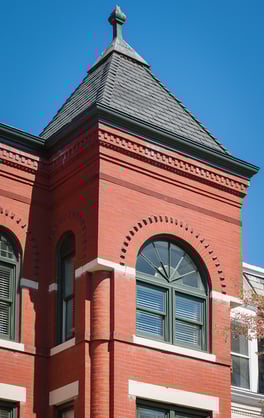
Why Winter Is a Smart Time to Inspect Attic Masonry
Cold weather creates ideal conditions for evaluating attic brickwork. With lower humidity and heating systems running, drafts around brick become easier to feel and moisture staining is more visible. Attics also tend to stay drier in winter, making inspection safer and more informative. Since you're already spending more time indoors, winter weekends offer a practical opportunity to check spaces that usually go unnoticed.
Common Issues Found in the Brick Walls and Chimneys of an Attic
Attic masonry often shows early warning signs before damage appears elsewhere. You might see mortar joints that look recessed or crumbly, fine cracks along brick edges, or white residue known as efflorescence. Dark staining near the roofline can point to water entering around flashing or chimney caps. Loose bricks around chimney shafts are another sign that means your attic deserves attention. These issues don't always signal urgent failure, but they do indicate that the masonry needs evaluation.
How Chimney Problems Often Start Above the Roofline
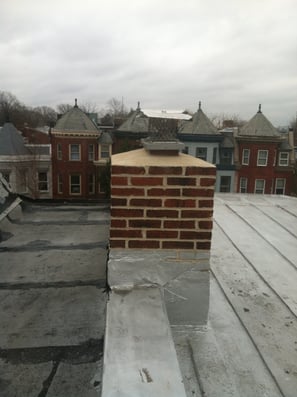 Brick chimneys are especially vulnerable because they are exposed to the weather above the roof. Water can enter through damaged caps, crowns, or flashing, then travel downward through the masonry. The attic is often the first interior place where this movement becomes visible. Addressing chimney issues at this stage can prevent damage from spreading into ceilings, walls, and living spaces below.
What Traditional Tuckpointing Protects in Historic Homes
Tuckpointing plays an important role in preserving historic brick, especially in attic spaces where temperature changes are more extreme. Historic homes rely on lime-based mortar that allows brick to move and release moisture naturally. Proper joint depth and profile support both strength and longevity. Using incompatible modern mortar can trap moisture and cause brick faces to deteriorate. Understanding why traditional methods matter helps you make informed decisions about masonry repairs.
Why Experience with Upper-Story Masonry Matters
When we evaluate attic brick and chimneys, we look at how moisture moves through the structure, the condition of original materials, and whether past repairs were done with compatible methods. The team at Renaissance Development has spent decades working on historic homes throughout Washington, D.C. That experience helps you to identify and address issues early and protect the parts of your home that quietly support everything below.
Winter is a natural time to slow down and check the spaces you don't see every day. A brief look at attic brickwork can reveal early signs that deserve attention.
When you have questions about masonry repairs anywhere in your home from the attic to the basement, our team is here to help protect your home's structure with a focus on preserving the historic craftsmanship. Contact us to arrange a complimentary consultation.