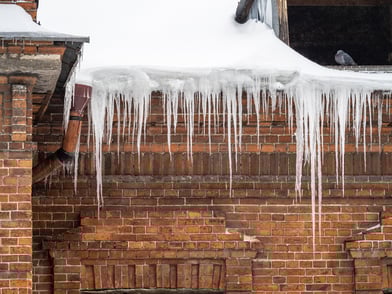
Winter in historic D.C. neighborhoods such as Georgetown, Capitol Hill, and Dupont Circle brings a familiar mix of cold nights and light snow. It also brings a seasonal risk many homeowners overlook. Ice dams can form along the roofline and cause significant damage to the brickwork that defines so many historic D.C. homes. Understanding how these winter conditions affect older materials helps you stay ahead of problems before they grow more serious.
Why Ice Dams Threaten Historic Brick in D.C.
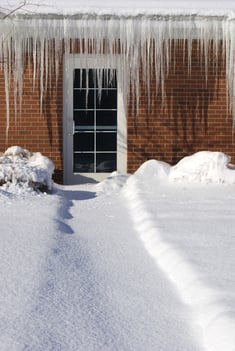
Ice dams begin when heat inside the home warms the roof and melts the snow above it. That water flows downward until it reaches the colder edge of the roof, where it refreezes. Over time, the frozen ridge blocks additional water. The trapped water then pushes beneath shingles and into the structure. Homes in older neighborhoods are more vulnerable because many have minimal attic insulation and unique roof shapes that encourage uneven melting. Once water reaches the brick below, the freeze-thaw cycle starts to work against the masonry.
How Ice Dams Damage Brick Facades and Mortar
Historic brick absorbs moisture easily. When water from an ice dam seeps behind gutters or into mortar joints, it lingers in the masonry. As temperatures drop, that moisture freezes and expands. The pressure enlarges small cracks and weakens the surrounding joints. Over time, this process leads to surface flaking, efflorescence, and deeper deterioration. The upper portion of a brick wall is especially vulnerable because it takes the brunt of the melting and refreezing that occurs throughout the winter season.
What to Look for in Older Gutter Systems
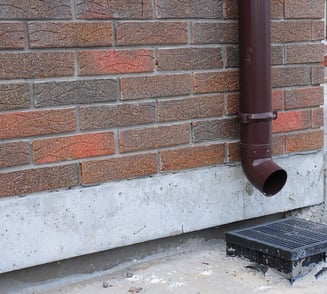
Gutters on Georgetown and Capitol Hill rowhouses often show their age. Original galvanized steel systems may be undersized or pitched unevenly due to decades of settling. Before winter arrives, take a moment to look for signs of strain. Water spilling over during storms, rust or green stains, and icicles forming along the fascia all indicate poor drainage. Sagging gutter sections or pooling water near downspouts also signal problems. A simple visual check can help you determine whether the system can handle winter weather.
Why Proper Drainage Protects Historic Masonry
Good drainage is one of the most important ways to protect older brick. When gutters move water away from the home, the masonry stays dry and stable. Poor drainage allows water to soak into porous brick and soft lime-based mortar. Freeze-thaw pressure then accelerates cracking and surface loss. Overflow from clogged gutters can also saturate the base of parapets or garden walls, which creates new areas of weakness. Keeping water away from the structure helps the masonry last longer and perform as intended.
Period-Appropriate Gutter Options for Historic Homes
Many homeowners want gutter solutions that match the age and character of the property. Copper half-round gutters are a strong choice for nineteenth and early twentieth-century homes. They age beautifully and handle freeze-thaw cycles well. Painted galvanized steel half-round gutters are also historically appropriate and work well with traditional rowhouse designs. Decorative brackets help maintain architectural accuracy. Modern aluminum K-style gutters rarely blend with historic facades and may not direct water as effectively on older rooflines.
When You Need a Masonry Expert
Some issues require professional evaluation. Spalling brick, crumbling mortar, damp patches that linger, or staining beneath gutter lines often indicate deeper problems. DIY patching can cause long-term harm, especially when the wrong materials are used. It’s best to hire a team that possesses expertise in tuckpointing historic brick, when addressing moisture-related issues that threaten the structure.
Keep Your Home Protected Through Winter
A little preparation now helps you avoid costly repairs once freezing temperatures set in. Check your gutters, clear debris, and take note of any signs of water reaching your brickwork. If you have concerns about potential damage and want a professional assessment before winter sets in, the team at Renaissance Development is here to help.
We are committed to preserving the character of historic D.C. homes and protecting the masonry that makes them unique. Contact us for a complimentary consultation.