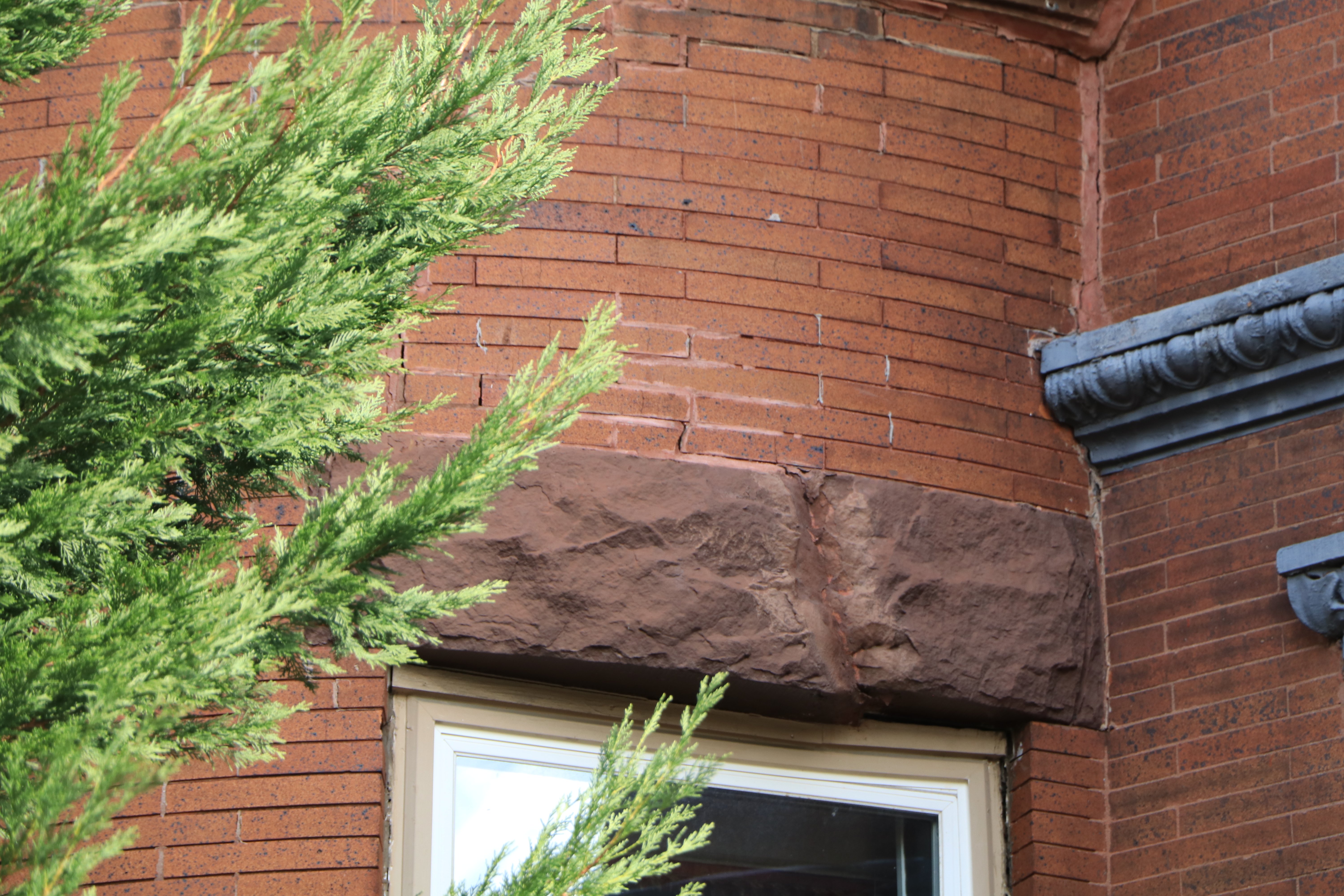
 When winter begins to wind down in Washington, D.C., it’s a good time to take a slow walk around your property with an eye peeled for moisture damage. Months of cold weather, storms, and temperature swings can leave subtle marks on historic brickwork, and these changes often become easier to see as surfaces dry out and daylight increases. Spotting these shifts early provides a head start on spring maintenance.
How Winter Can Leave Its Mark on Historic Masonry
Cold isn’t the only culprit when it comes to winter damage; moisture is an accomplice. It happens when moisture enters the brick and mortar, then freezes and thaws over and over again. Historic brick and lime-based mortar are more porous than modern materials, which means they absorb water more readily. Over time, freeze-thaw cycles place stress on historic masonry and can leave visible signs once winter passes.
Why Early Inspection Matters Before Spring Arrives
Late winter and early spring are excellent opportunities for windows of observation. When the snow melts and the walls dry, winter damage becomes much easier to spot. If these signs go unnoticed, spring rain can drive moisture deeper into masonry and speed up deterioration. Walking your property on a dry day in late February or early March will give you a clearer understanding of what changed over the winter -- and what may need attention in the months ahead.
How to Walk Your Property and Know Where to Look
Start by moving slowly around your home and looking at walls from top to bottom. Pay attention to changes in texture, alignment, or color. Focus on consistency rather than perfection. Historic masonry often shows age, but new or expanding changes deserve a closer look. Chimneys, steps, and areas near downspouts are especially worth examining since they experience even more exposure to moisture.
Signs of Freeze-Thaw Damage to Watch For
Freeze-thaw damage often appears in small ways at first. You might notice hairline cracks along mortar joints or fine cracks in the brick itself. Brick surfaces may look chipped or flaked, a condition known as spalling. Edges can appear softer or uneven where moisture has repeatedly frozen. These signs are clear signals that winter moisture has found a way in.
What Mortar Erosion Can Tell You About Wall Health
Mortar is designed to absorb stress, so the brick doesn’t have to. After winter, mortar erosion often shows up as recessed joints, crumbly texture, or sandy residue at the base of walls. While this may seem minor, it’s an important indicator of wall health. When mortar breaks down, brick becomes more vulnerable to movement and moisture.
Moisture Clues That Often Appear After Winter
Moisture problems are often quiet rather than dramatic. Look for white, powdery residue called efflorescence, which signals moisture moving through the wall. Dark staining or damp patches that stick around after rain are also worth noting. Moss or algae growth in shaded areas can point to surfaces that stay wet longer than they should.
When a Professional Evaluation Makes Sense
If you notice changes that are spreading, appearing in multiple areas, or affecting chimneys, steps, or foundations, an expert assessment can help clarify what’s happening. The team at Renaissance Development has spent more than twenty years working with historic masonry throughout Washington, D.C. Our expertise helps homeowners distinguish normal wear from issues that need timely attention.
Assessing winter’s impact towards the end of the season will help you to gain valuable insights and plan thoughtfully for spring instead of rushing into repairs. Early awareness makes it easier to protect historic brickwork and keeps small issues from developing into larger ones as the seasons change. Contact us to schedule a complimentary consultation.